

Cocoa Farmers' Tears Flow: "Government Has Betrayed Us!" : Fury Over 28% Price Slash
14, 2, 2026
195
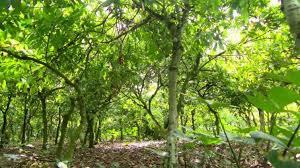
In the heart of Ghana's coco growing regions, tears and anger have replaced the usual quiet determination of farmers tending their plantations. The government's abrupt decision to slash the producer price of cocoa by nearly 28% has sparked widespread outrage, with growers accusing authorities of betrayal at a time when many families are already struggling to make ends meet.
On February 12, Finance Minister Cassiel Ato Forson announced the new farmgate price for the remainder of the 2025/2026 cocoa season: GH¢41,392 per metric tonne, equivalent to GH¢2,587 per 64-kilogram bag. This marks a sharp drop from the previous rate of GH¢58,000 per tonne (GH¢3,625 per bag) set in October 2025. The reduction equates to a loss of about GH¢1,038 per bag—or over GH¢16,600 per tonne—for farmers who had anticipated steady or rising earnings.
The move comes amid a dramatic plunge in global cocoa prices, which have fallen from highs around $7,200–$12,000 per tonne in late 2024 to roughly $4,000–$3,600 recently. Government officials argue the adjustment was necessary to make Ghanaian cocoa competitive again on the world market, restore demand from international buyers, and address liquidity crises at the Ghana Cocoa Board (COCOBOD) that left beans piling up and payments delayed.
Yet for farmers in the Ashanti, Western North, and Ahafo regions, who form the backbone of Ghana's economy as the world's second largest cocoa producer, the explanation rings hollow.
“We've never seen this before,” said one veteran farmer from the Ashanti Akyem South, speaking to the People’s Forum platform. “Governments always promised increases, not cuts. This is the first time we've been told our sweat is worth less now. How do we pay school fees, buy medicines, or even feed our families? The government has betrayed us!”
The Ghana National Cocoa Farmers Association described the slash as “painful” but said farmers had “no other option” but to accept it under the current system. However, not all are resigned. Some reports indicate isolated cases of farmers cutting down cocoa trees in frustration, while others near borders have threatened to smuggle beans to neighboring Côte d’Ivoire, where producer prices remain comparatively higher.
Opposition voices have seized on the discontent. The NPP Minority in Parliament condemned the reduction as “unprecedented and a betrayal,” rejecting symbolic Chocolate Week gifts from the Tourism Minister in protest. Minority MPs highlighted campaign promises from the ruling NDC, once in opposition of paying “not less than GH¢6,000 per bag,” a figure that now stands in stark contrast to the delivered GH¢2,587.
Groups like the Centre for Democratic Movement (CDM) went further, labeling the cut “not merely an economic error but a moral failure and a political betrayal.” They demanded an immediate reversal and urgent stakeholder talks with farmers' unions.
Finance Minister Forson defended the policy, noting that the new price represents 90% of the achieved gross FOB export value, far above the statutory minimum of 70% and that additional reforms, including cocoa bonds for financing and accelerated local processing to over 50% of beans, aim to stabilize the sector long-term.
But in the villages where cocoa trees stretch for miles, such assurances offer little comfort. Farmers speak of rising production costs, fertilizers, labor, and tools, that have outpaced even previous earnings. Many fear the price drop will push more into poverty or force a shift to other crops or illicit activities like galamsey (illegal mining).
As the mid-crop harvest continues, the mood in the cocoa belt remains tense. Farmers' tears flow not just from disappointment, but from a deep sense of abandonment by the very system meant to protect them. Whether the government can restore trust, or whether this marks the beginning of a larger revolt, remains to be seen in the coming weeks. For now, the plantations echo with one resounding cry: “This is not fair!”
Powered by Froala Editor