

How Bryan Acheampong Contributed to the Defeat of the NPP in the 2024 Elections and why NPP delegates may shy away from him. By Solomon Atinbire
29, 10, 2025
364
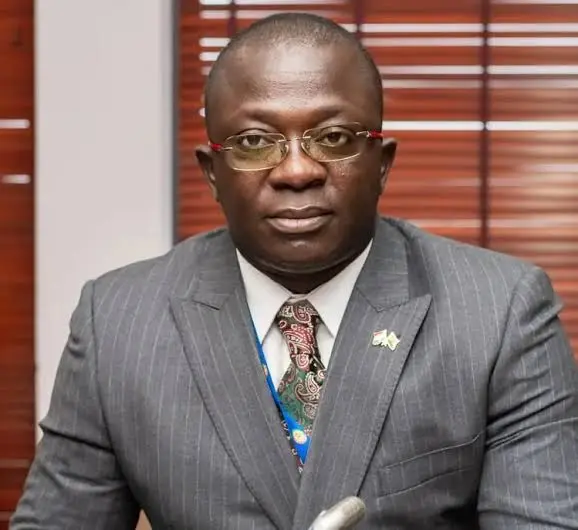
Bryan Acheampong, a prominent figure and flagbearer hopeful within the New Patriotic Party (NPP), has faced considerable criticism and accusations for his alleged role in the party's unexpected defeat in the 2024 general elections. A closer examination reveals several key factors that, taken together, painted a picture of a leader whose actions and statements may have significantly undermined the NPP's electoral prospects.
1. Withholding Crucial Farm Support in Northern Ghana
One of the most damaging allegations against Acheampong involves the purported withholding of vital farm support items. These items, part of a World Bank dry-spell intervention program, were earmarked for over 800,000 farmers in northern Ghana. This region is traditionally considered a stronghold for the NDC, and government intervention of this nature was supposed to serve as some relief to farmers following a devastating dry-spell and ultimately bolster the fortunes of the NPP, particularly for Dr. Mahamudu Bawumia, who was the party's flagbearer. The alleged withholding of these resources not only directly impacted the livelihoods of a large segment of the electorate but also created a significant perception of neglect and indifference. This action is believed to have severely eroded Bawumia's popularity in an area where he needed strong support, contributing to a substantial loss of votes and ultimately the party's defeat. The economic hardship and agricultural instability caused by this alleged act would have resonated deeply with the farming communities, turning potential supporters into disgruntled voters.
2. Divisive Tribal Dynamics and the Bawku Chieftaincy Conflict
Acheampong also drew flak for his public statements attributing the NPP's defeat, in part, to tribal factors. Specifically, he referenced the long-standing Bawku chieftaincy conflict, suggesting that Dr. Bawumia's Mamprusi heritage cost the party crucial votes in certain regions. While tribal considerations can sometimes play a role in Ghanaian politics, Acheampong's public framing of the issue was seen as divisive and unhelpful. Instead of fostering unity, these comments were interpreted by many as an attempt to deflect blame and exacerbate existing tensions. Such remarks could alienate voters from different ethnic backgrounds and undermine the party's broader appeal, reinforcing perceptions of tribalism within the political landscape.
3. Poor Leadership and Controversial Public Comments
Beyond specific actions, Acheampong's general leadership style and certain controversial public comments also came under scrutiny. His infamous declaration, "we will not hand over power," made in the lead-up to the elections, was widely condemned across the political spectrum. This statement was perceived by many as anti-democratic, indicating a disregard for the peaceful transfer of power and potentially inciting political instability. Such remarks not only damaged the NPP's image as a party committed to democratic principles but also fueled public mistrust and concern, particularly among swing voters and civil society organizations who champion good governance and rule of law.
4. Mismanagement of the Agricultural Sector
As a minister, Acheampong's performance in the agricultural sector became a point of contention. The Ashanti NPP Youth Organizers, a significant youth wing of the party, openly accused him of poor performance, leading to widespread discontent among farmers. Their grievances included low agricultural productivity, inadequate support for farming initiatives, and a general sense of mismanagement within the sector. Given that agriculture is a cornerstone of Ghana's economy and employs a large percentage of the population, any perceived failures in this area would naturally translate into voter dissatisfaction and a loss of confidence in the ruling party's ability to deliver on its promises.
5. Conflict of Interest: Attempted Acquisition of SSNIT Hotels
Perhaps one of the most significant controversies that plagued Acheampong was his attempted acquisition of Social Security and National Insurance Trust (SSNIT) hotels while simultaneously serving as a minister. This move was widely condemned as a clear conflict of interest and a breach of public trust. Critics argued that it represented "elite capture" – a situation where powerful individuals use their positions to acquire public assets for personal gain. This incident resonated deeply with the public, particularly with those concerned about corruption and accountability in governance. Such actions can significantly tarnish a party's reputation, fostering cynicism and a belief that those in power are more interested in personal enrichment than public service, directly contributing to voter apathy or a shift in allegiance.
6. Perceived Profiteering and Public Assets
Adding to the conflict of interest concerns, Acheampong also faced scrutiny from civil society and urban middle-class voters regarding his broader business dealings and the potential for profiteering from public assets. In an environment where there is growing demand for transparency and accountability from public officials, any perception of undue advantage or exploitation of public resources for private gain can be extremely damaging. This issue taps into a deeper public sentiment against corruption and the misuse of power, further alienating a crucial segment of the electorate that often plays a significant role in shaping public opinion and influencing election outcomes.
Conclusion
In conclusion, the array of allegations and criticisms leveled against Bryan Acheampong – from the alleged withholding of farm support and divisive tribal comments to his controversial leadership, perceived mismanagement, and potential conflicts of interest – created a significant public relations nightmare for the NPP. These factors, individually and collectively, are believed to have undermined the party's credibility, alienated key voter blocs, and ultimately contributed to a climate of discontent that culminated in the NPP's defeat in the 2024 general elections. For many within the NPP and among the broader Ghanaian populace, Acheampong's actions became a symbol of some of the fundamental reasons for the party's electoral setback.
Powered by Froala Editor