

Here are some reasons why NPP delegates should not vote for Kennedy Agyapong:
11, 10, 2025
578
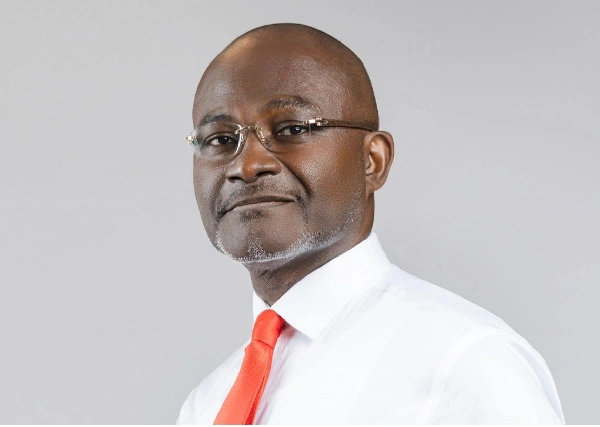
These factors might lead some NPP delegates to question whether Kennedy Agyapong is the right candidate to lead the party in future elections. In the high-stakes world of Ghanaian politics, the New Patriotic Party (NPP) faces a critical decision when selecting its flagbearer. When considering Kennedy Agyapong as a potential leader, delegates are presented with a multifaceted candidate whose past actions and statements warrant careful scrutiny. Several compelling reasons might lead NPP delegates to question his suitability to lead the party in future elections.
Controversial Statements and Divisive Rhetoric:
Agyapong's public persona is frequently marked by controversial statements that have, at times, been perceived as divisive. One significant instance includes his claims that a Muslim cannot be president in Ghana. Such remarks are not only seen as ethnically and religiously insensitive but also directly undermine the unity and inclusivity that a national political party should embody. These statements can alienate a significant portion of the electorate, particularly in a religiously diverse nation like Ghana. Furthermore, he has been accused of fanning divisive sentiments within the NPP itself, notably through his comments on Dr. Mahamudu Bawumia's religious affiliation and its alleged impact on the party's electoral performance. This type of rhetoric can create internal rifts, making it challenging to present a united front during general elections.
Perceived Arrogance and Leadership Style:
Leadership requires a delicate balance of assertiveness and the willingness to listen and compromise. Some critics view Kennedy Agyapong as arrogant and unwilling to consider alternative perspectives. This perceived inflexibility could hinder effective leadership, as it may limit consensus-building within the party and with external stakeholders. A leader who is seen as unyielding might struggle to navigate the complex political landscape, potentially leading to stagnation or poor decision-making. Delegates must consider whether his governance style, characterized by a history of public outbursts and confrontations with opponents, is conducive to stable and effective national leadership.
Past Electoral Performance and Broad Appeal:
While Kennedy Agyapong undeniably commands strong grassroots support, his past electoral performances and the controversies surrounding him might raise concerns about his ability to lead the party to victory on a national scale. Delegates must assess whether his appeal transcends his core support base to attract floating voters and members of other political parties. The ultimate goal is to win national elections, and a candidate's electability is a paramount consideration. His track record needs to be carefully evaluated to determine if he possesses the broad appeal necessary to secure a presidential mandate.
Concerns about Governance and National Unity:
Beyond party politics, there are broader concerns about Kennedy Agyapong's potential governance style. His history of public outbursts and confrontational approach might worry Ghanaians who seek a leader who can unify the nation and maintain decorum in public office. Allegations of tribalistic statements, including claims of violence against Voltarians in the Ashanti Region, are particularly alarming. Such remarks are profoundly inimical to national unity and reconciliation, and a leader associated with such sentiments could exacerbate ethnic tensions rather than bridge divides. For delegates seeking a unifying figure, these allegations represent a significant red flag.
Threats Against Judiciary and Media:
Perhaps one of the most serious criticisms leveled against Kennedy Agyapong relates to his interactions with the judiciary and the media. He has faced severe criticism for publicly threatening a High Court judge, an action that directly undermines the independence and authority of the judicial system, a cornerstone of any democratic society. Furthermore, his act of revealing the identity of investigative journalist Ahmed Suale, who was later tragically murdered, raises grave concerns about press freedom and the safety of journalists. These actions suggest a disregard for democratic institutions and the rule of law, which are fundamental principles a president is sworn to uphold.
Considering these multifaceted factors, NPP delegates are faced with a crucial decision. They must weigh Kennedy Agyapong's strengths, including his perceived grassroots connection, against the significant concerns surrounding his rhetoric, temperament, and past actions. The choice will ultimately reflect the party's vision for leadership and its commitment to national unity, democratic principles, and effective governance in Ghana's future.
By Solomon Atinbire
Powered by Froala Editor